


JEWELRY EDUCATION
White Gold vs Silver
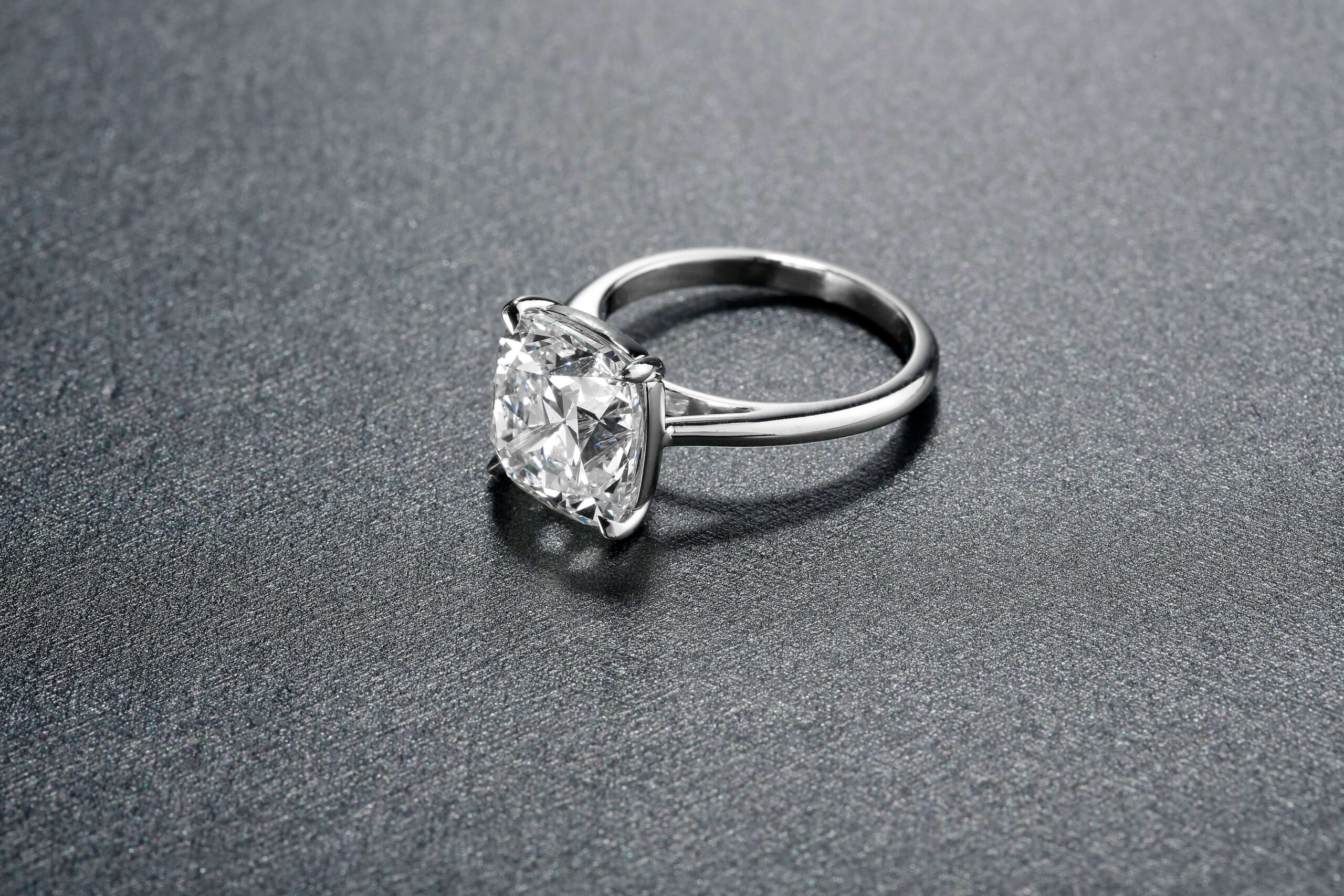
At first glance, white gold and silver can look almost identical. Both metals have a frosty white tone that works well with different gemstones – from diamonds to sapphires, and everything in between. Furthermore, both metals are popular in rings, necklaces, and everyday pieces. But the similarities end there.
White gold and silver differ in strength, upkeep, price, and long-term value. In this article, we’ll discuss these differences so you can decide which metal is best for your next jewelry piece.
What Is White Gold?
White gold is a gold alloy. That means that it’s a mixture of yellow gold with lighter-colored metals like palladium, nickel, or silver. This combination mutes gold’s warm tone, giving it a pale white color.
Nearly all white gold pieces come with rhodium plating.
Rhodium is part of the platinum family; plating white gold pieces with it gives the jewelry a crisp, bright surface while also adding some scratch resistance. Over time, the plating wears and needs to be reapplied.
White gold is also sold in different karats, the most popular being 14k and 18k.
- 18K white gold: 75% pure gold. Richer color, slightly softer, and more resistant to tarnish.
- 14K white gold: 58% pure gold. Stronger and more affordable, making it a popular everyday choice.
What Is Sterling Silver?
Pure silver is delicate. So much so that, like gold, it needs to be mixed with another metal to make it more durable for everyday wear in jewelry.
This is where sterling silver comes in. Sterling silver is the silver alloy that’s used in jewelry. It’s made of 92.5% pure silver mixed with small amounts of other metals, most often copper, to improve its durability.
Sterling silver has a naturally cool, grayish-white tone. It’s more affordable than gold and widely used for both fine and fashion jewelry. One drawback is its tendency to tarnish. When exposed to air or moisture, silver can darken, so it needs regular cleaning to stay bright.
Key Differences Between White Gold & Silver
Although they look alike, the two metals differ in several ways:
Appearance
White gold has a bright, reflective finish from rhodium plating. Silver has a softer luster and can look slightly grayer, especially once tarnish develops.
Durability
White gold is stronger and more resistant to scratches or bending, making it better suited for rings and pieces worn every day. Silver is softer and shows wear more easily.
Maintenance
White gold requires rhodium replating to keep its bright shine, while silver needs regular care to keep it from getting tarnished. This includes frequent gentle cleaning at home with mild soap, warm water, and a soft cloth.
Price & Value
White gold costs more than silver. It also holds better resale value and is considered a long-term investment. Silver is much more budget-friendly but has limited resale value.
Weight
White gold is denser, so it feels heavier and more solid when worn. Many people like this weight because it gives the piece a sturdier feel. Silver is lighter, which can make larger designs more comfortable to wear, though it doesn’t have the same heft as white gold.
How to Tell White Gold from Silver
If you’re unsure whether a piece is white gold or silver, there are a few simple ways to tell the difference.
Sterling silver usually has a “925” stamped on it, while white gold will carry a mark such as “14K” or “18K.” Visually, white gold usually has a brighter, mirror-like finish from its rhodium plating, whereas silver can appear slightly grayer and may show signs of tarnish.
Weight is another telling factor; white gold feels denser and heavier than silver of the same size. If you’re uncertain, your local jeweler can help tell you the difference.
Conclusion
White gold and silver may share a similar appearance, but they serve different purposes depending on your needs. White gold is stronger, denser, and carries lasting value, making it ideal for engagement rings, wedding bands, and milestone pieces meant to endure for decades. Silver, on the other hand, is more affordable and well-suited for fashion jewelry, larger statement pieces, or styles you plan to change with the seasons—though it does require more frequent upkeep.
At Kosmima, we understand the nuances between different jewelry metals. As custom jewelers, we work with precious metals of all types, and are intimately familiar with their qualities and nuances. If you’re in the market for a new piece of jewelry, and have questions regarding metal types, diamonds, or even design, we invite you to get in touch with our team.
With over 30 years of experience servicing the Greater Boston Area, we take pride in guiding our clients toward pieces that fit both their style and their story.